
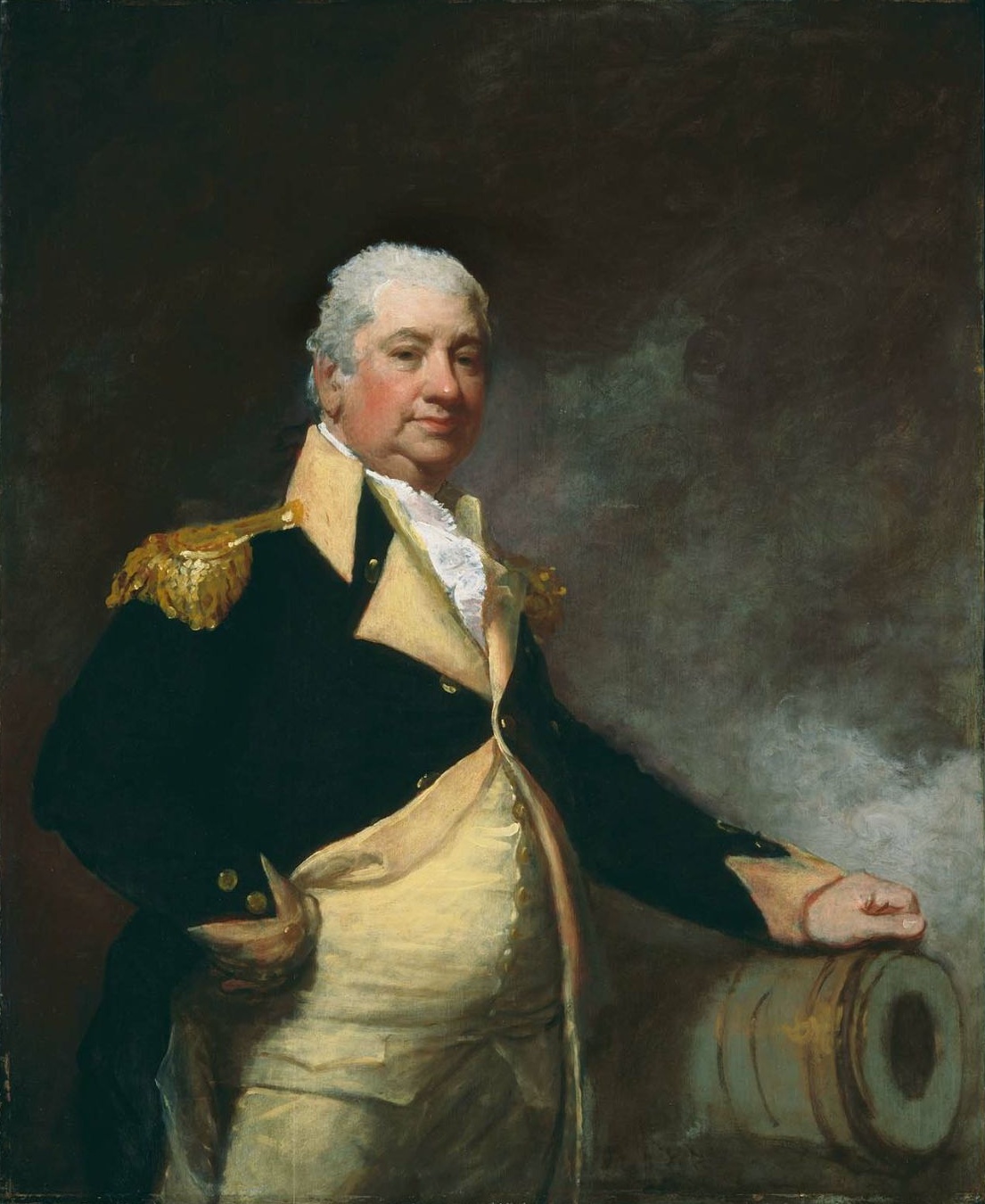
In early December 1775, as deep winter began settling over New England, a young bookseller-turned-artilleryman set out on one of the most daring logistical missions in American history. Henry Knox, only twenty-five years old, departed Fort Ticonderoga on December 5 with orders from General George Washington to transport sixty tons of captured British artillery to Boston. The success of the siege depended on the arrival of these guns. The challenge was that they were 300 miles away, separated from Massachusetts by mountains, frozen lakes, and treacherous winter roads.
Knox believed it could be done. He had studied engineering, devoured military texts, and possessed a natural confidence that Washington recognized immediately. The plan involved loading the cannon onto massive sleds, hitching them to teams of oxen, and dragging them across the rugged interior. It sounded improbable. But December offered a narrow advantage: snow and ice, if used correctly, could make hauling the heavy artillery easier than mud or spring thaw.
The expedition started with immediate drama. As the men moved the first sleds across the Hudson River, one of the heaviest cannon broke through the ice and plunged into the freezing water. Recovering it required hours of coordinated effort using ropes, levers, and sheer force of will. It was an early reminder that nature, more than the enemy, posed the greatest danger.
Through December, the caravan navigated steep mountain passes and valley floors choked with snow. The Berkshires presented the most formidable obstacles. Roads were narrow and icy. Sleigh runners cracked. Oxen strained against the weight as the cannon were dragged upward inch by inch. Knox wrote frequently in his journal about the exhaustion of his men and animals, but also about the unwavering support of local residents.
Communities throughout Western Massachusetts turned out to help. Farmers lent teams of oxen. Carpenters repaired broken sleds. Laborers attached ropes to cannon and hauled alongside the animals when the slopes grew too steep. These were scenes of collective effort that blended necessity with pride. The sight of giant artillery pieces inching across frozen hillsides became a story families passed down for generations.
As December turned to January, the convoy crept through the heart of Massachusetts, often making only a few miles per day. Knox’s optimism never wavered. He called the cannon “a noble train,” and believed the people of Massachusetts understood its importance. When the artillery finally reached the outskirts of Boston in late January, Washington immediately set plans in motion to install the guns on Dorchester Heights.
The success of that operation in March forced the British to evacuate the city. Behind that triumph was the winter journey that began in the cold of early December, carried forward by Knox’s determination and the collective will of dozens of Massachusetts towns. The Knox Cannon March became an enduring symbol of Revolutionary grit, ingenuity, and the power of communities working together toward a shared purpose.
In 2026, communities along the historic route will mark the Knox 250 anniversary with commemorations, trail activations, public programs, and local events that shine new light on this dramatic winter feat. The route that once echoed with the creak of sled runners and the strain of oxen will become a place for reflection, education, and community celebration, offering visitors a chance to experience the landscapes and stories that defined one of the Revolution’s most remarkable undertakings. Click here to learn more.