
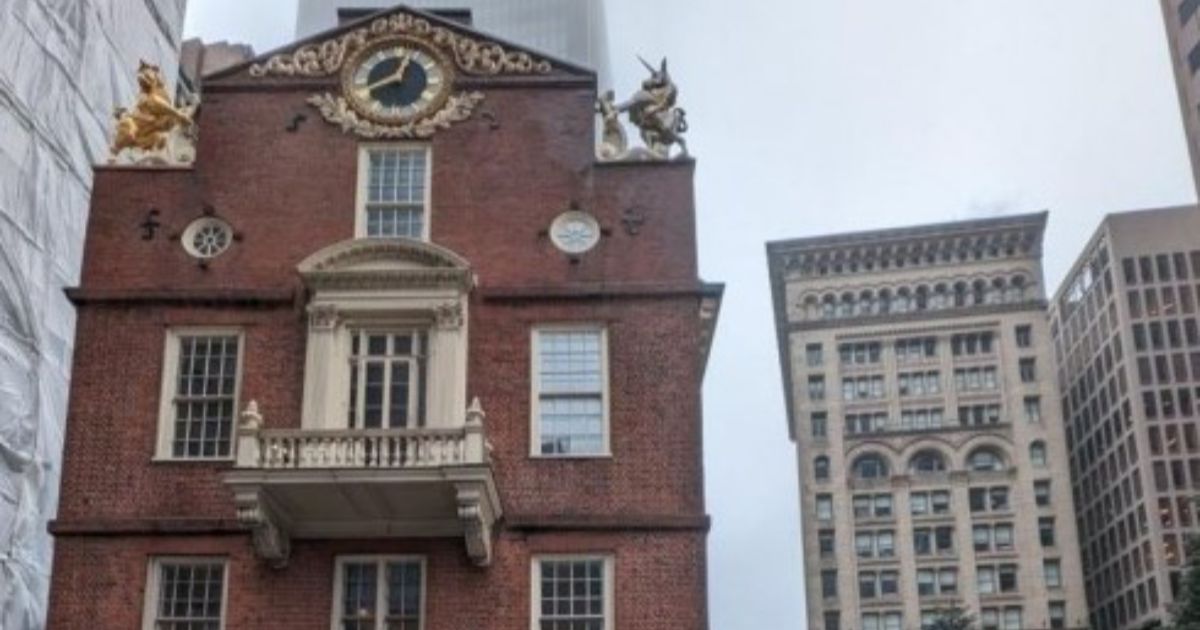
In the summer of 1776, as the American colonies moved toward independence, celebrations erupted across Massachusetts. Among the most dramatic was what became known as the “Great Bonfire of 1776,” a public display of patriotism, resistance, and unity that reflected the growing revolutionary spirit sweeping across the state.
Today, as Massachusetts 250 honors the people and moments that shaped the nation’s founding, the Great Bonfire serves as a reminder that the Revolution was not only fought on battlefields, but also in town commons, streets, and gathering places where ordinary citizens declared their support for independence.
Following the adoption of the United States Declaration of Independence in July 1776, communities throughout Massachusetts organized celebrations unlike anything the colonies had seen before. In Boston and beyond, citizens gathered to hear public readings of the Declaration, ring church bells, fire cannons, and illuminate towns with massive bonfires.
These bonfires carried deep symbolic meaning. Colonists often burned objects associated with British authority, including royal emblems, official documents, and signs of loyalty to the Crown. The fires represented a dramatic break from British rule and a public embrace of self-government and liberty.
In Massachusetts, where revolutionary sentiment had been building for years through events such as the Boston Tea Party and the Battles of Lexington and Concord, the celebrations of 1776 reflected both relief and determination. The Declaration transformed a growing protest movement into a formal fight for independence, and Massachusetts communities stood at the center of that transformation.
The Great Bonfire also highlighted the communal nature of the Revolution. Neighbors gathered together in public spaces to share speeches, songs, and hopes for the future. These events strengthened local identity and reinforced the idea that independence belonged not just to political leaders, but to the people themselves.
Two hundred and fifty years later, Massachusetts continues to honor the courage and conviction of those Revolutionary-era communities. Through MA250 commemorations across the Commonwealth, residents and visitors are invited to reflect on the passion, sacrifice, and sense of shared purpose that defined 1776.
The flames of the Great Bonfire may have faded long ago, but the ideals it represented—liberty, civic engagement, and the belief in shaping a better future—continue to burn brightly throughout Massachusetts today.