
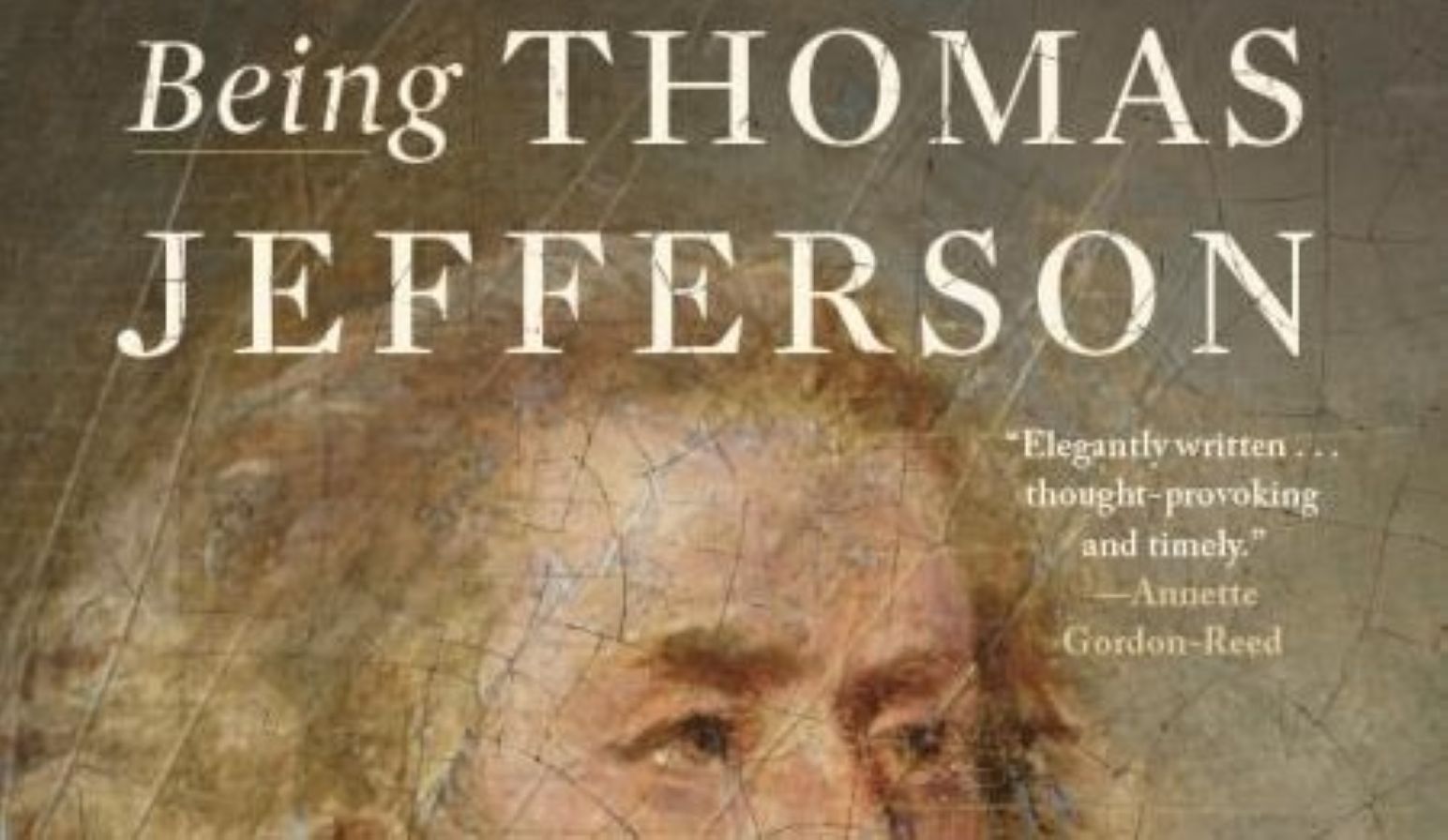
Historian Andrew Burstein discusses his new book, Being Thomas Jefferson: An Intimate History (January 2026), the culmination of three decades of research and writing on Jefferson, the Republic of Letters, and questions of intimacy, body and soul, in an early American context.
Fifty years after Fawn Brodie shocked the history profession with her Freudian-tinged psychobiography of Jefferson, Burstein revisits the serious questions Brodie posed about Jefferson’s sexual habits. Using greater restraint in the use of modern cognitive psychology―and only to the extent that it can be reasonably applied to the cultural conditions of the American founding era―Burstein emphasizes Jefferson’s Paris years (1784-89) and the pivotal relationship forged with the philosopher Marquis de Condorcet, whose influence previous Jefferson scholars have largely overlooked. In closely examining his personal friendships and political alliances, and his documented proneness for political vengeance, Burstein’s tone aims to avoid exacerbating the love-hate relationship present-day Americans still have with the legacy of Thomas Jefferson.