
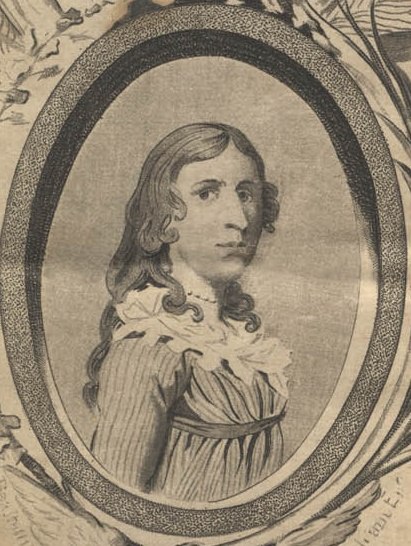
Deborah Sampson’s Revolutionary War service challenges nearly every assumption about who fought for American independence. Born in 1760 in Plympton, Massachusetts, Sampson grew up in poverty and worked as an indentured servant. By the time the war reached its later years, she had already learned resilience, self-reliance, and discipline, traits that would carry her into history.
In 1782, Sampson disguised herself as a man and enlisted in the Continental Army under the name Robert Shurtliff. Massachusetts regiments were still active, but enlistments were shrinking and morale was strained. Sampson joined not for spectacle or recognition, but for service and pay, the same motivations shared by many soldiers of the era.
She served for over a year, performing guard duty, marching long distances, and engaging in combat. During one skirmish, she was wounded by musket fire and shrapnel. Fearing discovery, she removed one of the bullets herself rather than seeking medical treatment. Another fragment remained lodged in her leg for the rest of her life.
Sampson’s identity was eventually revealed only after she fell ill and was treated by a physician who recognized her secret. Instead of punishment, she received an honorable discharge in 1783. Years later, Massachusetts formally recognized her service, granting her a pension and later acknowledging her as a veteran of the Revolutionary War.
What makes Deborah Sampson’s story so powerful is not just that she served in disguise, but that she did so successfully, quietly, and competently. She was not a novelty within the army, she was a soldier among soldiers. Her experience reflects both the limitations placed on women of the era and the ways those limitations were challenged through determination and courage.
Today, Sampson stands as one of Massachusetts’ most remarkable Revolutionary figures. Her story reminds us that the fight for independence was shaped not only by famous names, but by individuals who risked everything to serve a cause that did not yet fully recognize them.