
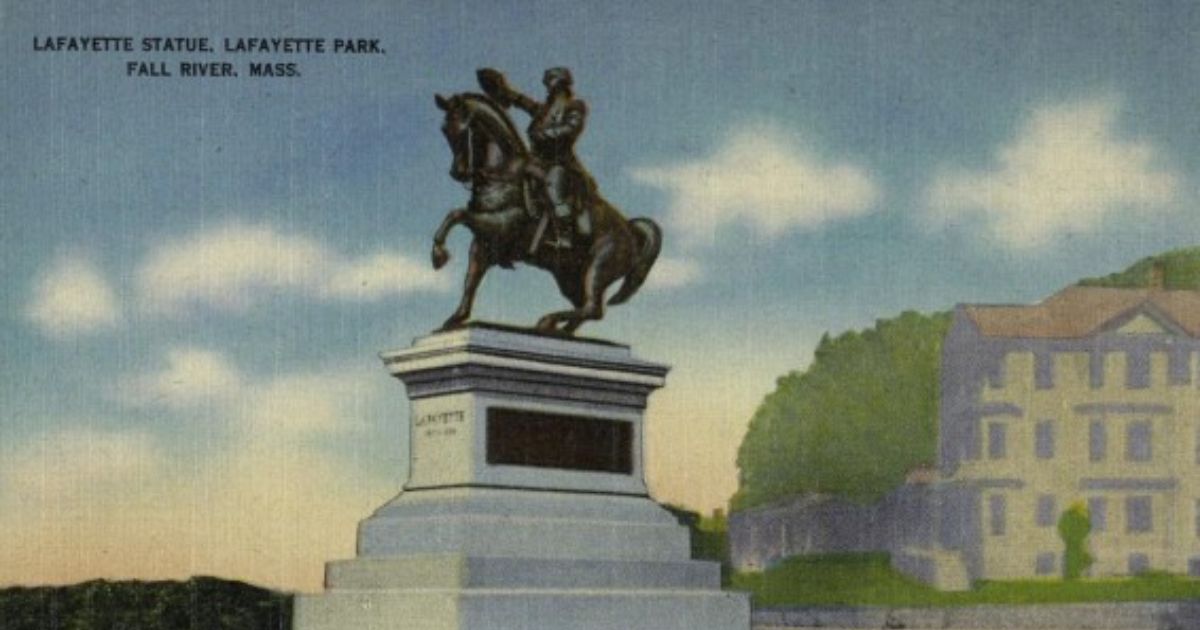
As Massachusetts prepares to commemorate the 250th anniversary of the American
Revolution, few figures embody the spirit of the state’s revolutionary legacy more than
Marquis de Lafayette. While often associated with Boston and the major battlefields of the
Revolution, Lafayette’s relationship with Massachusetts extended far beyond the capital
city, reaching deeply into the communities and maritime traditions of the South Coast.
Lafayette first arrived in America in 1777 as a young French nobleman inspired by the
ideals of liberty and self-governance. Over the course of the Revolutionary War, he
developed a close bond with General George Washington and became one of the most
important international allies to the American cause. Massachusetts, with its strong
revolutionary fervor and bustling ports, played a central role in the war effort that Lafayette
helped advance.
The South Coast of Massachusetts, including communities such as New Bedford, Fall
River, and Fairhaven, was critical to the economic and maritime strength of the young
nation. During the Revolutionary era, these coastal communities supported trade,
privateering, shipbuilding, and supply routes that sustained the Continental Army and
connected Massachusetts to international allies like France.
Lafayette’s most celebrated connection to Massachusetts came decades later during his
Farewell Tour of the United States in 1824 and 1825. Invited back as “The Nation’s Guest,”
Lafayette traveled across all 24 states, receiving grand welcomes from communities eager
to honor one of the last surviving heroes of the Revolution. In Massachusetts, crowds
gathered to celebrate the French officer whose commitment to liberty helped secure
American independence.
Along the South Coast, Lafayette’s visit symbolized more than remembrance. It reflected
the enduring relationship between Massachusetts and the ideals of international
partnership, civic pride, and democratic values. Communities across the region embraced
the opportunity to connect their local histories to the broader story of the American
Revolution.
As part of Massachusetts 250, Lafayette’s story continues to resonate across the
Commonwealth. From historic harbors to town commons, Massachusetts is reflecting on
the individuals and communities that shaped the nation’s founding. The South Coast’s
maritime legacy, revolutionary spirit, and longstanding ties to global exchange make it an
important part of that story.
Two hundred and fifty years later, Lafayette’s legacy serves as a reminder that the
American Revolution was not only a local fight for independence, but also an international
movement rooted in shared ideals and collective sacrifice.